Infrared vs traditional sauna: which is right for you?
Infrared saunas warm your body directly at 45–65 °C; traditional saunas heat the air to 70–100 °C with steam. We compare heat, running costs, space and installation.
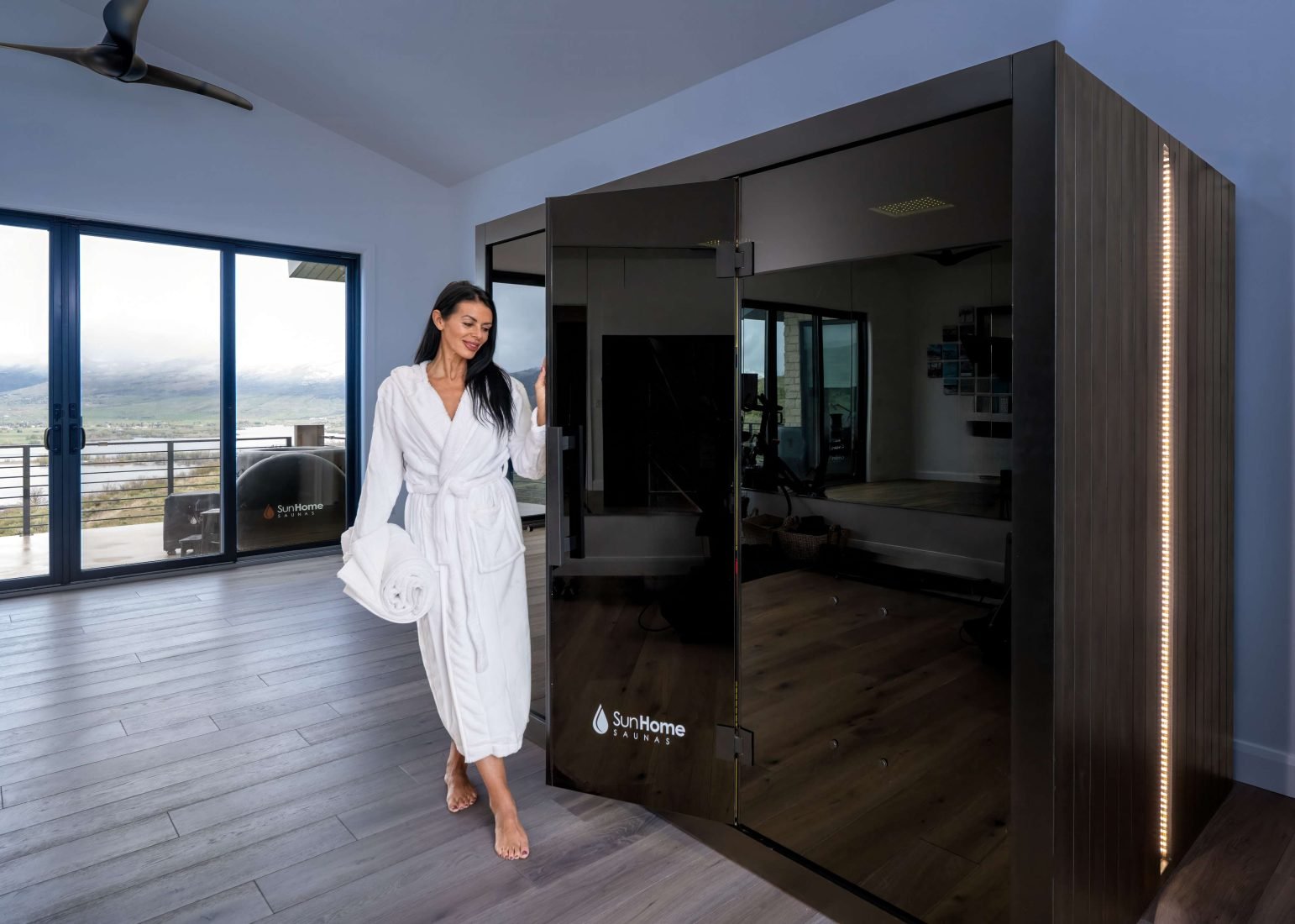
An infrared sauna uses panels that warm your body directly at a gentle 45–65 °C, heats up in around 15 minutes and is cheap to run. A traditional sauna uses a heater and stones to heat the air to 70–100 °C, and lets you pour water on the stones for steam. Neither is “better” – it depends on what you want from the experience.
Side by side
| Infrared | Traditional | |
|---|---|---|
| Temperature | 45–65 °C | 70–100 °C |
| How it heats you | Directly, via infrared light | Via hot air and steam |
| Warm-up time | 10–20 min | 30–45 min |
| Steam (löyly) | No | Yes |
| Typical session | 30–45 min | 10–20 min, repeated |
| Running cost | 40–60p | £1.50–£3 |
| Power supply | 13 A socket on some small models | Dedicated circuit |
What an infrared sauna feels like
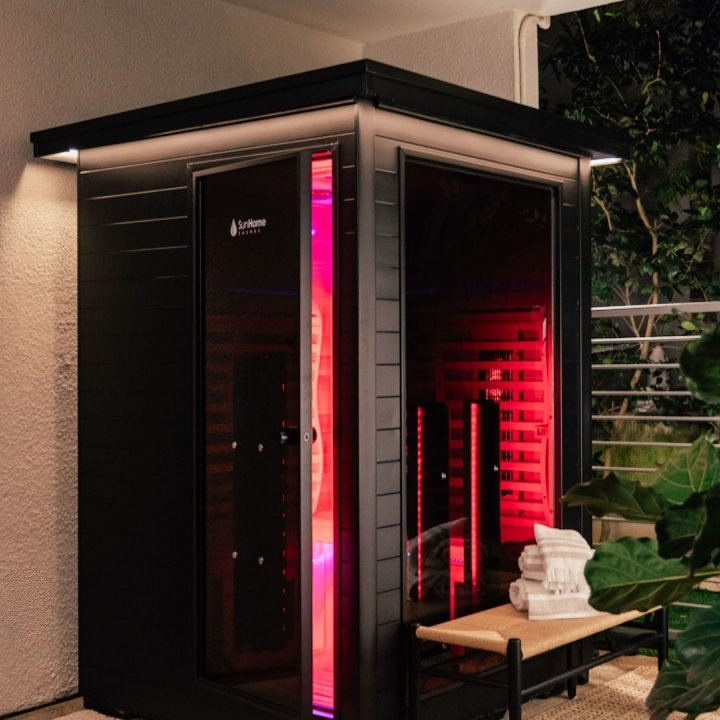
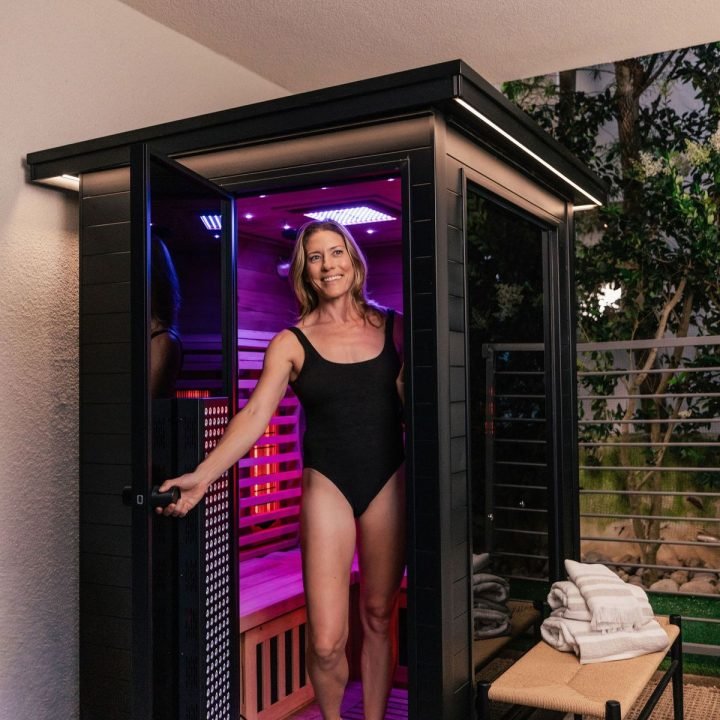
The air is warm but not scorching, so you can breathe easily and stay in longer. The heat builds gradually and you sweat steadily. Many people read, listen to a podcast or stretch. Full-spectrum models such as Eclipse also add red light.
What a traditional sauna feels like
Intense, enveloping heat. Throwing water on the stones releases a wave of steam that makes the room feel hotter still. Sessions are shorter and usually alternated with cooling off – a cold shower, an ice bath or a walk outside. If you have been to a sauna in Finland or a UK beach sauna, this is the experience you know.
Installation and electrics
This is where the two differ most in practice.
- Infrared: panels draw 1.2–2 kW on smaller models, so some 1–2 person saunas can run from a standard 13 A socket. Larger and outdoor infrared saunas need a dedicated circuit.
- Traditional: heaters are usually 4.5–9 kW and always need a dedicated circuit from your consumer unit, installed by a registered (Part P) electrician. Larger heaters may need a supply upgrade.
Assembly time also differs: most indoor infrared cabins go together in 1–2 hours, while a traditional sauna takes around a day. Read about kits vs ready-made saunas.
Running costs compared
| Infrared (2-person) | Traditional (6 kW) | |
|---|---|---|
| Per session | 40–60p | £1.50–£2.50 |
| Per month (3–4 sessions a week) | £5–£10 | £20–£35 |
Figures assume about 25p per kWh. The full breakdown is in sauna running costs UK.
Space and placement
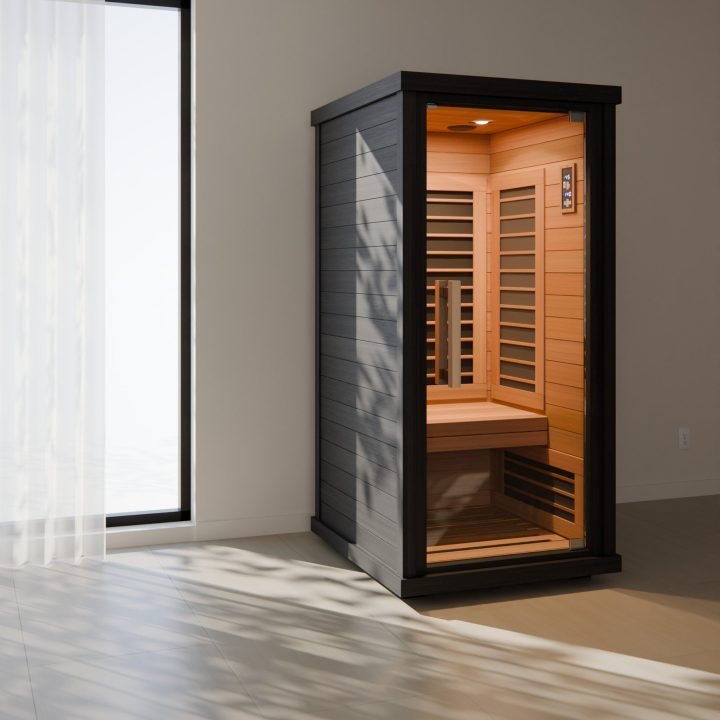
Infrared saunas are compact: our 1-person Solstice needs about a square metre, so it fits a spare room, loft or garage. Traditional saunas need slightly more space around the heater and good ventilation. Both come in outdoor versions – see garden saunas and our guide to planning permission.
Health and comfort
Both make you sweat and are used for relaxation and recovery. Infrared is often easier for people who find high heat uncomfortable, while most long-term research has been on traditional saunas. See what the evidence says. Pairing either with cold water is popular – read sauna and cold plunge.
Which should you choose?
Choose infrared if…
- you want to use it often, at short notice
- you find very high heat uncomfortable
- you want low running costs and simpler electrics
- space is tight – see our indoor saunas
Choose traditional if…
- you love steam and the classic Nordic ritual
- you plan to combine it with cold plunges
- you want a social sauna for family and friends
Common myths
- “Infrared is not a real sauna.” It is a different way of heating, not a lesser one. You still sweat heavily – just at a lower air temperature.
- “Traditional saunas are too expensive to run.” At £1.50–£3 a session they cost more than infrared, but still far less than a spa visit.
- “Infrared radiation is dangerous.” Infrared is heat – the same warmth you feel from sunshine. Choose low-EMF heaters if electromagnetic fields concern you.
- “You need a huge garden for a traditional sauna.” Compact outdoor cabins fit many UK gardens, and indoor traditional saunas fit a spare room.
Which do UK buyers choose?
For indoor use, most of our customers choose infrared because of the simpler electrics and quick warm-up. For garden saunas the split is more even: people building a contrast setup with an ice bath often choose traditional for the steam, while those who want an everyday warm-up choose outdoor infrared such as Luminar.
Can you have both?
Some saunas combine an infrared panel with a traditional heater. For most homes, though, it is better to choose the one you will use most. Not sure? Take our 60-second sauna quiz.
Frequently asked questions
Is an infrared sauna as good as a traditional sauna?
They are different. Infrared offers gentler heat, quicker warm-up and lower running costs; traditional offers higher temperatures and steam. Both make you sweat.
Which is cheaper to run, infrared or traditional?
Infrared – typically 40–60p per session against £1.50–£3 for a traditional sauna.
Can you pour water on an infrared sauna?
No. Infrared panels must stay dry. If you want steam, choose a traditional sauna with a heater and stones.