Sauna and cold plunge: how to do contrast therapy at home
Hot sauna, cold plunge, rest, repeat. Here is a simple contrast therapy routine for beginners, how long to spend in each, and how to set it up in your garden.
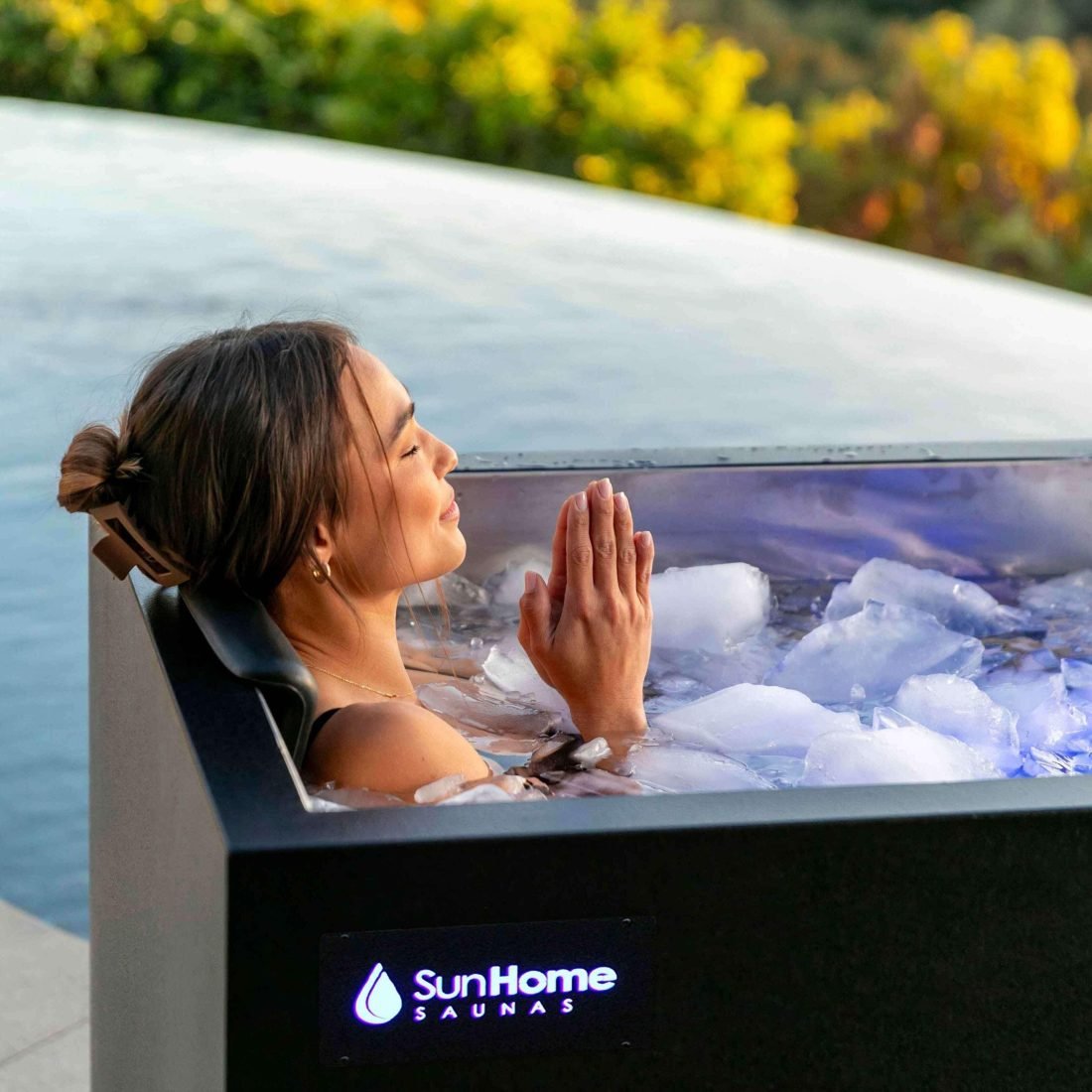
Contrast therapy means alternating heat and cold: a sauna session, a short cold plunge, then rest – repeated two or three times. A simple beginner routine is 10–15 minutes in the sauna, 30 seconds to 2 minutes in cold water at 10–15 °C, then 5–10 minutes of rest.
It is the ritual behind Nordic sauna culture and the beach saunas now found around the UK coast.
A beginner routine
| Step | Time | Tip |
|---|---|---|
| 1. Sauna | 10–15 min | Sit on a lower bench at first |
| 2. Cold plunge | 30 sec – 2 min | Lower in slowly, breathe out long and steady |
| 3. Rest | 5–10 min | Sit or lie down, wrap up warm |
| Repeat | 2–3 rounds | Many people finish with cold, some with warmth |
What temperature should the ice bath be?
Start around 10–15 °C. That feels very cold but is manageable. As you get used to it, you can go lower. A chilled tub such as Cold Plunge Performance holds the temperature you set, so every session is consistent.
Sauna temperature and timing
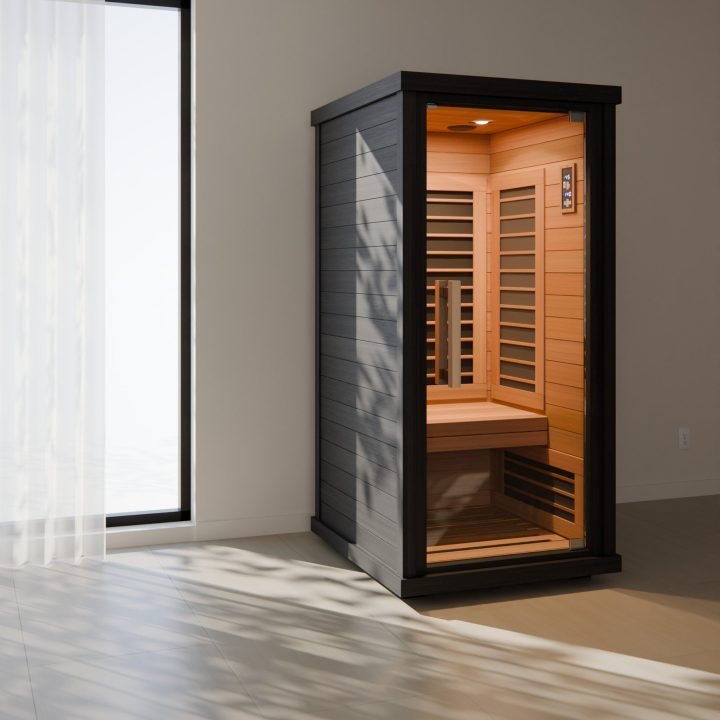
In a traditional sauna, 70–90 °C is a good range for contrast work – hot enough to warm you through in 10–15 minutes. In an infrared sauna at 50–65 °C, stay a little longer, around 20–25 minutes, before the cold. You should feel properly warm and sweating before you plunge; going in half-warm makes the cold much harder.
How to breathe in the cold
The first 30 seconds are the hardest. Cold water triggers a gasp and fast breathing – the cold shock response. To get through it:
- Lower yourself in slowly, feet first.
- Breathe out long and slow through your mouth, as if blowing through a straw.
- Keep your hands out of the water at first if it helps.
- Once your breathing settles, relax your shoulders and stay still.
Progressing over time
| Stage | Water | Time in cold | Rounds |
|---|---|---|---|
| Weeks 1–2 | 12–15 °C | 30–60 sec | 2 |
| Weeks 3–6 | 8–12 °C | 1–2 min | 2–3 |
| Experienced | 3–8 °C | 2–3 min | 3 |
Longer and colder is not automatically better. Most of the feeling people describe comes from the first couple of minutes.
Common mistakes
- Staying in the cold too long – especially in the first weeks.
- Skipping the rest – the rest period is part of the routine, not an extra.
- Hot shower straight after – let your body rewarm naturally first if you can.
- Doing it after alcohol – never combine alcohol with heat or cold immersion.
- Going too hard right before bed – a cold finish can leave you wide awake. Finish warm in the evening.
When to do contrast therapy
Mornings suit people who want an energising start. Evenings suit those who use it to unwind – end with the sauna or a warm rest so you are relaxed for sleep. After training, many athletes use cold water for comfort, though some leave a gap after strength sessions.
Why people love it
People describe feeling alert, calm and refreshed afterwards. Athletes use cold water to help with muscle soreness. Research is still developing, so think of it as a ritual you enjoy rather than a treatment. Read more about sauna benefits and cold water benefits.
Safety first
- Never plunge alone when you are new to it.
- Get in slowly – cold shock makes you gasp. Do not put your head under.
- Get out if you feel numb, dizzy or start shivering hard.
- Speak to your GP first if you have a heart condition, high blood pressure, Raynaud’s or are pregnant.
No ice bath? Alternatives
- Cold shower: turn it to cold for 30–90 seconds. Less intense than immersion, but a good way to start.
- Outdoor air: in winter, stepping outside in your robe is the traditional Nordic cool-down.
- Sea, lake or lido: beach saunas around the UK coast pair heat with a sea dip – always follow open-water safety advice.
For consistency all year, a chilled tub is the easiest option – see our home ice bath guide.
Setting it up at home
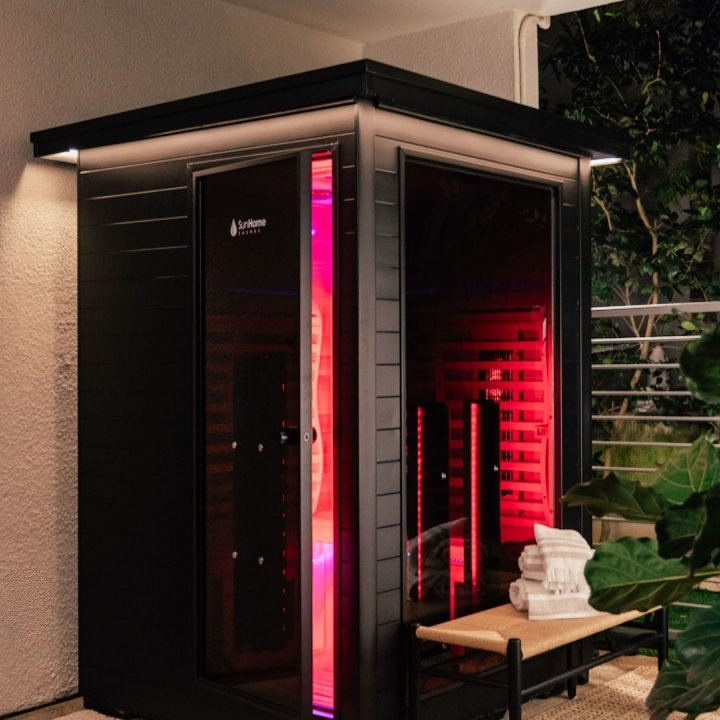
Put the ice bath a few steps from the sauna door on a level, non-slip base, with a weatherproof outdoor socket for the chiller. Add a bench and a hook for towels and robes. A garden sauna with an ice bath beside it gives you a full contrast setup without leaving home.
Frequently asked questions
How long should I stay in a cold plunge after a sauna?
Beginners usually start with 30 seconds to 2 minutes at 10–15 °C and build up gradually.
Should I end with hot or cold?
Both are common. Many people finish with cold for an alert feeling; others end warm before bed.
Is contrast therapy safe?
For most healthy adults, yes, if you build up slowly. Check with your GP first if you have a heart condition, high blood pressure or are pregnant.