Infrared sauna benefits: what the evidence says
Infrared saunas are linked to relaxation, better sleep and muscle recovery. We separate what research supports from marketing claims – and who should check with a doctor first.
Regular sauna use is associated with relaxation, better sleep, eased muscle soreness and – in long-term Finnish studies of traditional saunas – better cardiovascular health. Infrared saunas have been studied less, but early research points in a similar direction. They are not a treatment for any condition, and some people should speak to their GP first.
What the research suggests
Relaxation and stress
Warmth, quiet and time away from screens help many people unwind. Users commonly report feeling calmer after a session, and this is the most consistent benefit people mention.
Sleep
A warm session in the evening, followed by cooling down, may help some people fall asleep more easily. The drop in body temperature after a sauna is thought to play a part.
Muscle recovery
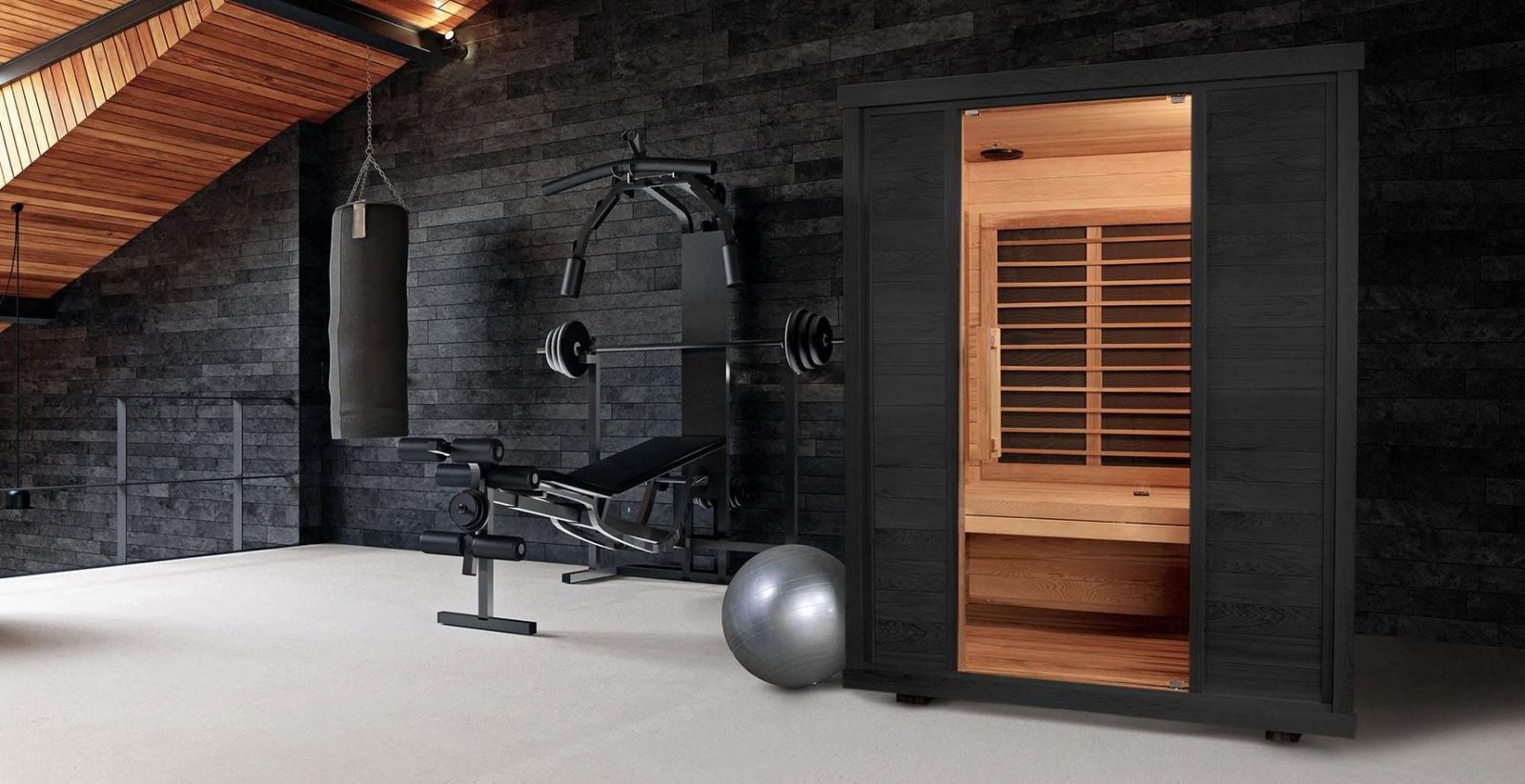
Small studies on athletes suggest infrared sauna sessions after training may reduce perceived muscle soreness. That is why infrared saunas have become common in gyms and physiotherapy clinics.
Heart and circulation
Large observational studies from Finland link frequent traditional sauna use with lower rates of cardiovascular disease. These studies show an association, not proof of cause, and they looked at traditional rather than infrared saunas. Heat does raise heart rate and widen blood vessels, similar in some ways to light exercise.
Claims to treat with caution
- “Detox”: your liver and kidneys handle detoxification. Sweat is mostly water and salt.
- Weight loss: you lose water weight, which returns when you rehydrate.
- Curing illness: no sauna should be marketed as a treatment for a medical condition.
Skin and how you feel
Heat increases blood flow to the skin, which is why you look flushed after a session. Many users say their skin feels softer and that they simply feel better – a reported experience rather than a proven clinical effect.
Joint and muscle comfort
Warmth has long been used to ease stiffness. Some people with aching joints find the gentler heat of an infrared sauna more comfortable than a traditional sauna. If you have a diagnosed condition such as arthritis, talk to your GP or physiotherapist about whether heat is suitable for you.
Infrared vs traditional sauna: are the benefits the same?
Both raise your core temperature and make you sweat, so many effects overlap. The main differences are practical:
| Infrared | Traditional | |
|---|---|---|
| Temperature | 45–65 °C | 70–100 °C |
| Comfort | Easier for heat-sensitive people | Intense, with steam |
| Session length | 30–45 min | 10–20 min rounds |
| Research base | Smaller, newer studies | Decades of Finnish data |
The best sauna for your wellbeing is the one you will actually use regularly. For many people that is infrared, because it is quick to heat and comfortable enough to use most evenings. Read the full infrared vs traditional comparison.
How often should you use an infrared sauna?
Many regular users have three to four sessions a week; some use it daily. The Finnish studies found the strongest associations among people who used saunas four to seven times a week, though again for traditional saunas. Start with two or three short sessions a week and increase as you get comfortable.
At around 40–60p per session, regular use is affordable – see sauna running costs in the UK.
A simple infrared sauna routine
- Turn the sauna on 15 minutes before (or use the app).
- Drink a glass of water and have a quick shower.
- Sit for 20–40 minutes. Read, stretch or simply breathe.
- Cool down with a lukewarm or cold shower – or an ice bath if you have one.
- Rest for 10 minutes and rehydrate.
Who is an infrared sauna good for?
- Beginners who find traditional saunas too hot.
- Busy people who want a session at short notice – it is ready in about 15 minutes.
- Runners, cyclists and gym-goers who use it as part of a recovery routine.
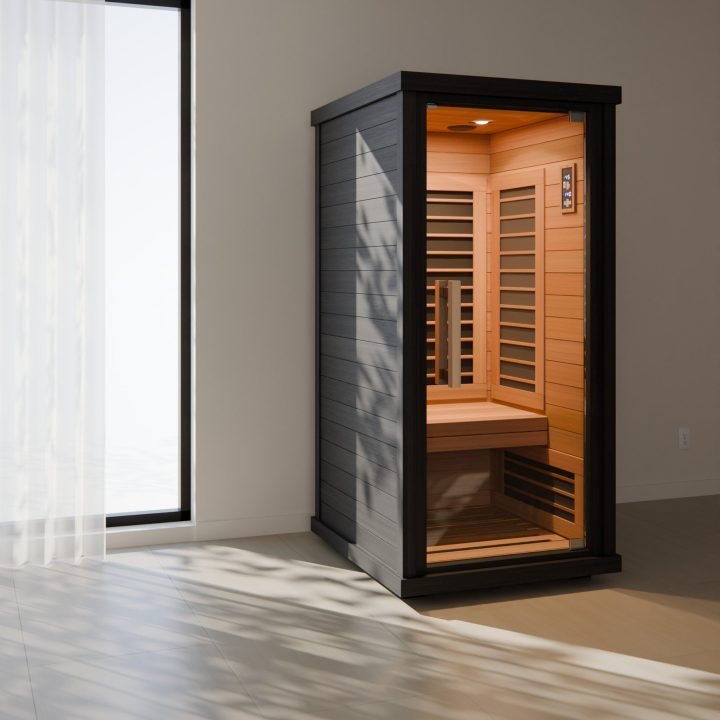
- Anyone short on space – compact 1–2 person cabins fit a spare room or garage.
- People who want low running costs for daily use.
It is less suited to people who love intense heat and steam – they usually prefer a traditional sauna.
What to look for if wellbeing is your goal
Choose a sauna with tested low-EMF heaters, panels positioned to warm your back, calves and front evenly, non-toxic timber and glues, and good ventilation. Full-spectrum heaters give the widest range of infrared. Compare our infrared saunas on these points.
Infrared and red light
Full-spectrum saunas such as Eclipse combine infrared heat with red light panels. Red light research is an active field, mostly focused on skin; evidence for wider effects is still developing.
How to use an infrared sauna safely
- Start with 15–20 minutes at around 50 °C and build up.
- Drink water before and after.
- Avoid alcohol before or during a session.
- Leave if you feel dizzy, sick or unwell.
Speak to your GP first if you are pregnant, have a heart condition, low or high blood pressure, take medication that affects heat tolerance, or have any other health concerns.
See our infrared saunas, or compare infrared and traditional.
Frequently asked questions
What are the benefits of an infrared sauna?
Users commonly report relaxation, better sleep and reduced muscle soreness. Research on infrared saunas is still limited, and they are not a medical treatment.
How long should you sit in an infrared sauna?
Start with 15–20 minutes and build up to 30–45 minutes as you get used to it.
Do infrared saunas detox your body?
Not in a meaningful way. Your liver and kidneys handle detoxification; sweat is mainly water and salt.